Neev Earth
Science-backed methods to help industries decarbonize for improved air quality and better lives.
We work with brick kilns across South Asia to transition to cleaner technologies to reduce carbon emissions and toxic air pollution.
We work with brick kilns across South Asia to transition to cleaner technologies to reduce carbon emissions and toxic air pollution.
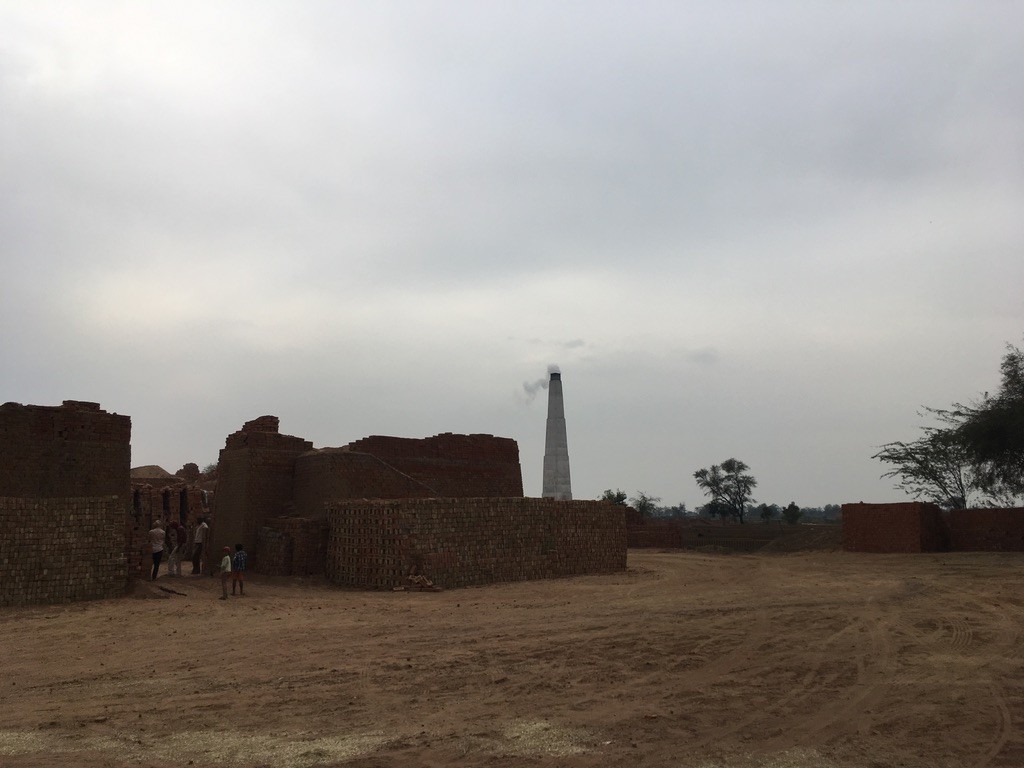
The "Brick Belt" is one of the world's most essential and most overlooked pollution crises. The bricks that build schools, hospitals, and homes come with a significant environmental cost to the communities around them.
In India, brick kilns contribute up to 15% of annual air pollution, rising to 40% during peak months. PM2.5 particles are so small they enter the bloodstream directly, driving population-level heart and lung disease and contributing to an estimated 4.9 billion life years lost.
India's kilns account for 6% of the country's total CO₂ emissions. They are also a primary source of Black Carbon (soot), a pollutant thousands of times more potent than CO₂ at trapping heat in the near term.
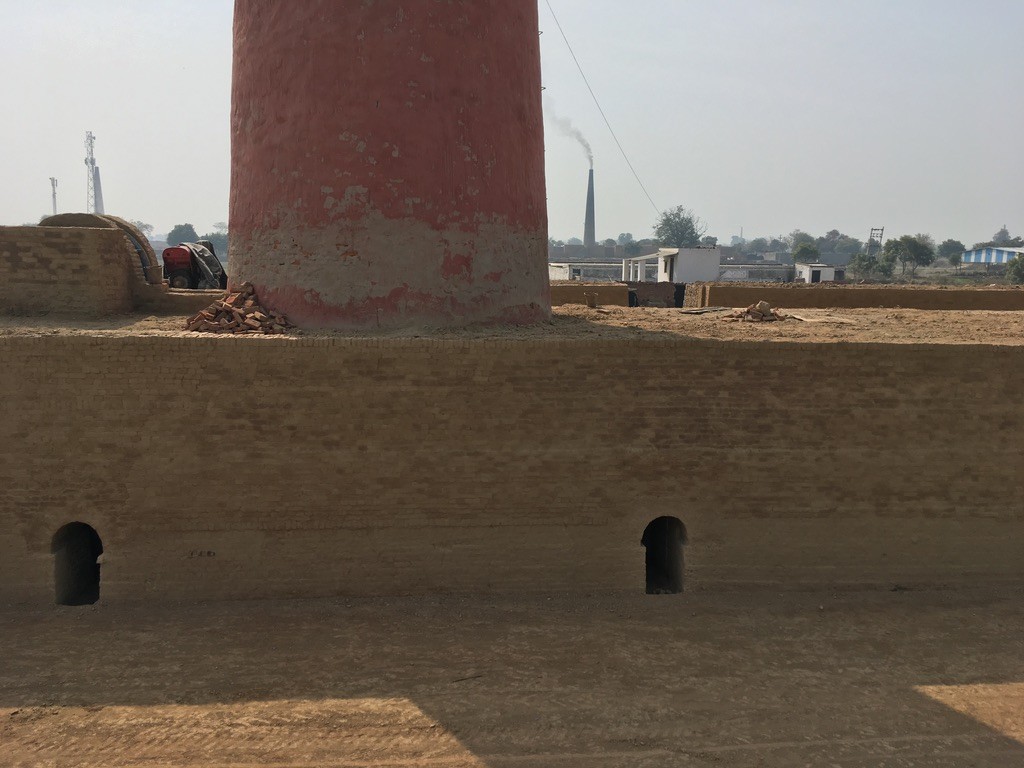
In 2022, India required all kilns to shift to cleaner Zig-Zag designs. But many kilns still lack the specialized methodology to fire them correctly. The infrastructure is changing, but the expertise hasn't caught up.
Brick kilns sit at the intersection of two of the most urgent challenges of our time: air quality and climate change. They are a primary source of both PM2.5, the fine particles that cause heart and lung disease, and Black Carbon, a short-lived climate pollutant that is among the most potent heat-trappers we know of.
Addressing both together isn't just efficient. It's the logic at the heart of everything Neev does. Cleaner kilns mean healthier communities and a more stable climate. The solutions overlap almost entirely.
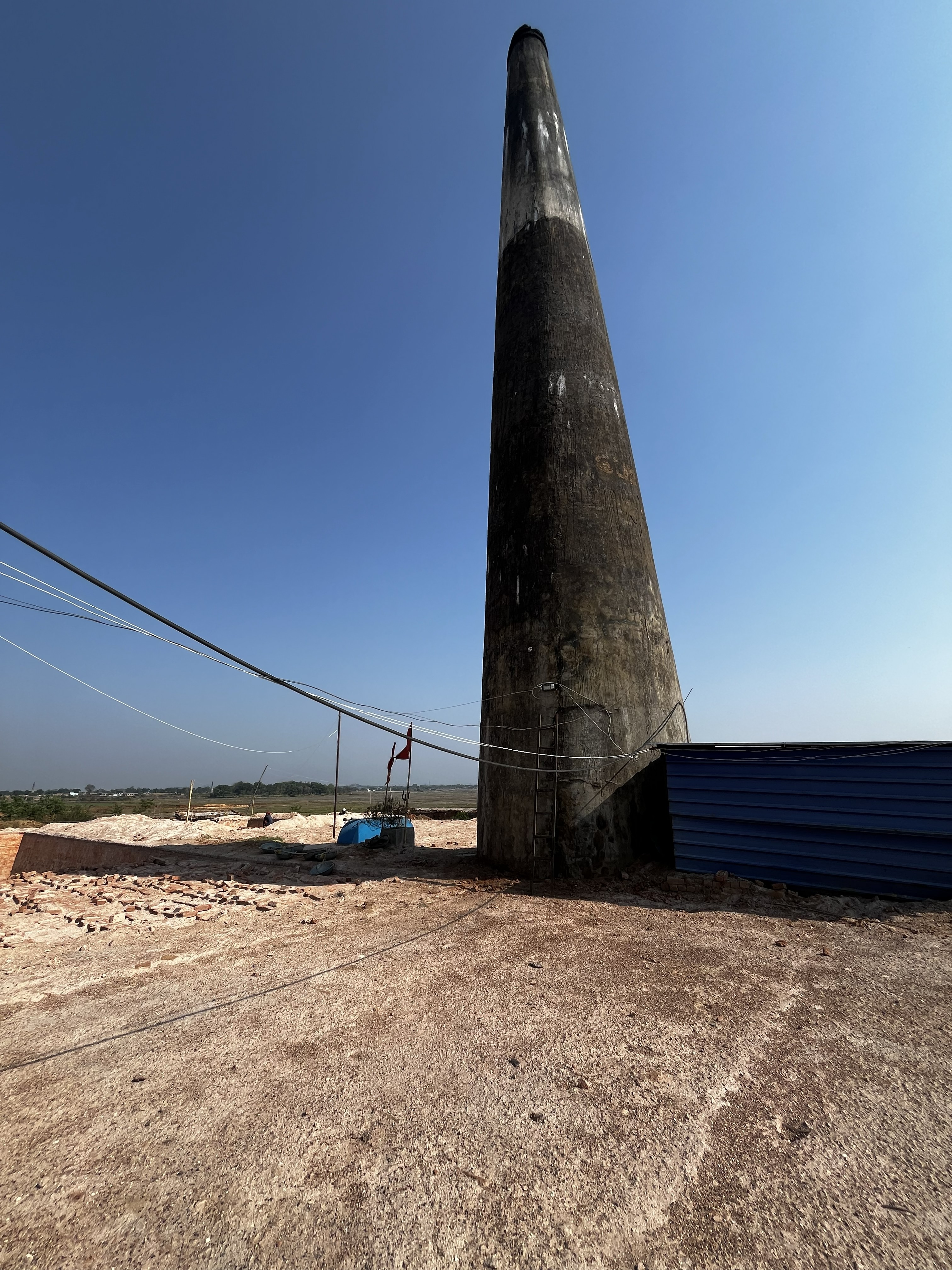
We're in an active phase of research and partnership building. Through our work, we:
Investigate South Asia's brick industry to identify, test, and measure the impact of improved operational practices, building the evidence base for lasting change.
Work directly with kilns transitioning to climate-friendly ways of operating, providing the methodological guidance that makes new technology actually work.
Work across the ecosystem (with government, industry, and civil society) to strengthen cooperation and achieve better outcomes for kiln owners, communities, and the climate.
Transitioning to cleaner firing practices isn't just an environmental decision. For kiln owners, it's a business one. The same operational changes that cut emissions also improve efficiency and product quality.
Optimized firing techniques can reduce coal usage by up to 20%. With coal as one of the largest operating costs in brick production, that reduction goes directly to the bottom line.
Cleaner, more even firing produces higher-quality output. Kilns using improved practices can expect a greater share of Class I bricks, which command better prices in the market.

Whether you're a researcher, funder, policymaker, or simply someone who wants to learn more, we'd love to hear from you.
Thank you for reaching out. We'll be in touch soon.