Since launching in May 2026, Neev Earth has visited brick kilns across India, built relationships with organizations and agencies working in the sector, and deepened our understanding of the space through expert interviews. In the next three months, we're building our training program, hiring and upskilling our field team, and running a baseline survey for our upcoming pilot.
As a reminder: brick kilns are one of the most under-addressed sources of CO2 and PM2.5 emissions in South Asia, yet the sector remains largely informal, fragmented, and outside the reach of most climate and clean-air interventions. Neev Earth, "Foundation Earth", exists to close that gap, starting with the people who run and operate these kilns.
Getting Into the Field
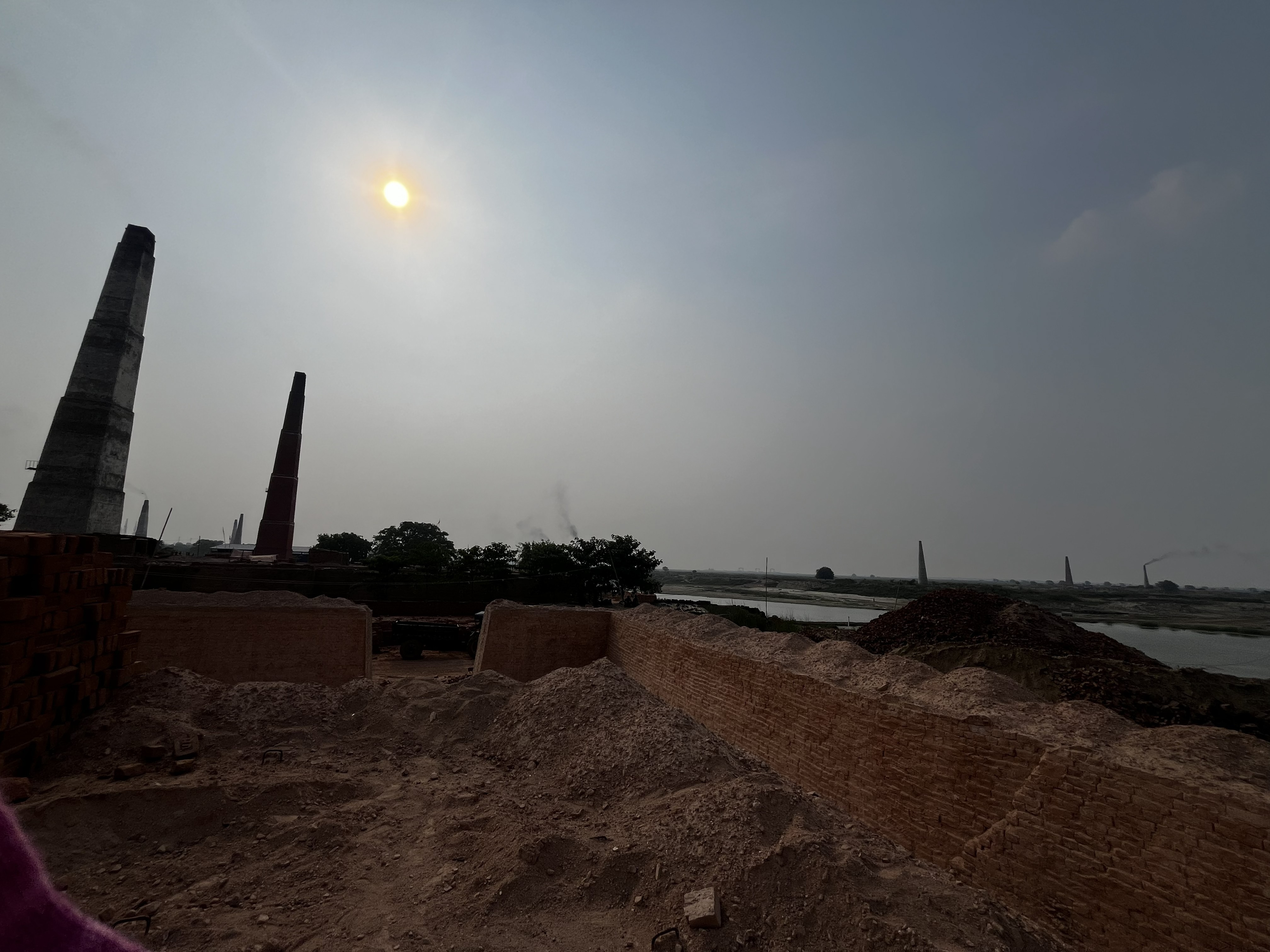
Given kiln firing is seasonal (November to May), we had a narrow period for field visits before this season closed, and we used it well. Over the past few months, we visited three kilns across India (in Jharkhand, Bihar, and Uttar Pradesh).
In these visits we discovered that kilns vary drastically across geography. Operational needs differ by kiln size, soil type, draught type, output volume, and fuel type. Unlike Bangladesh, where kilns are largely uniform zigzag designs operating under similar alluvial conditions, India's variation means training can't be standardized, requiring real customization per region, and likely per kiln.
Scoping the Landscape
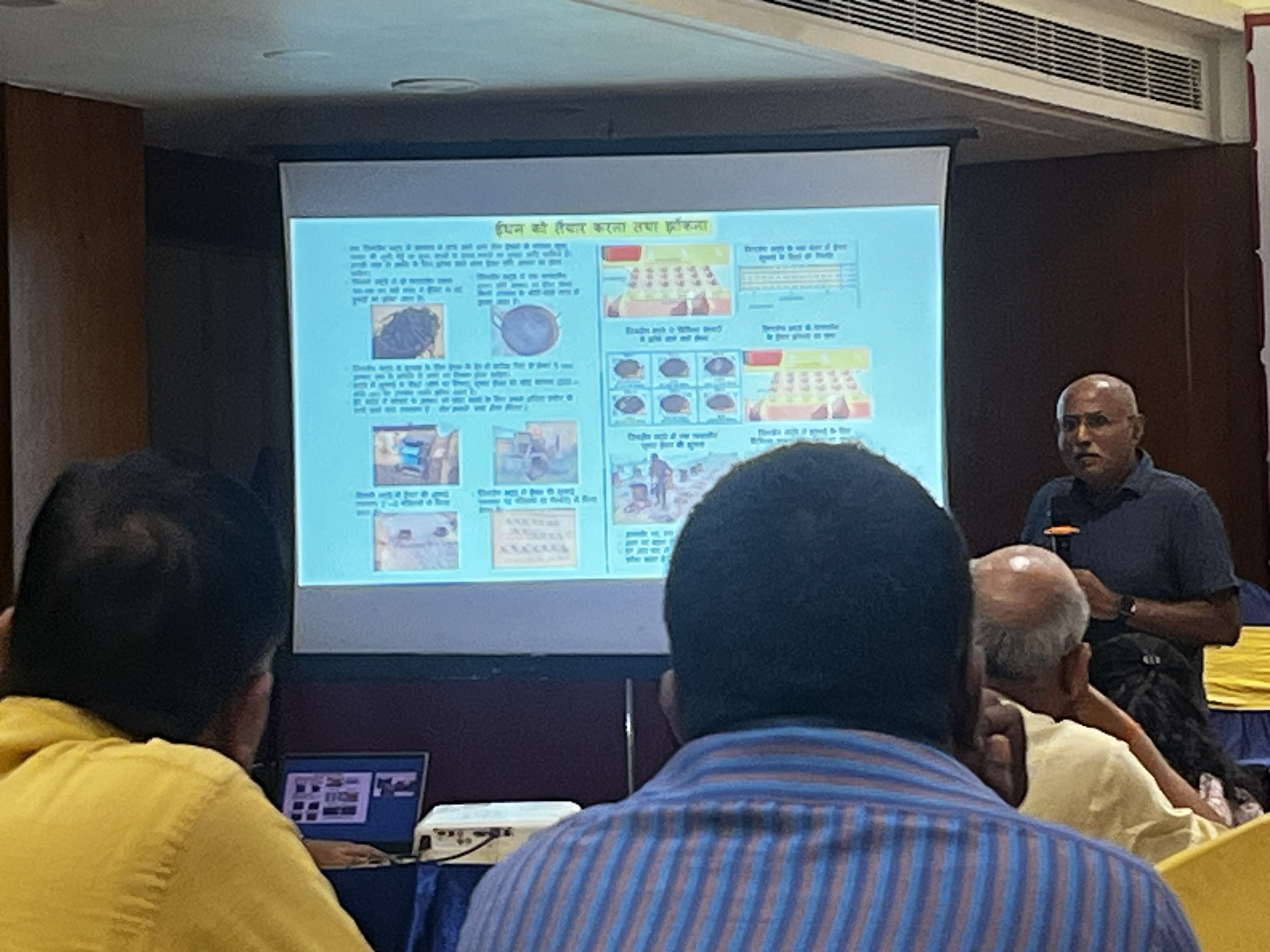
We interviewed experts in the field, attended conferences on the future of brick kilns, and invested in building relationships with stakeholders in the brick kiln ecosystem. Through these conversations, we learned:
Kiln owners want this. Existing surveys in this space consistently show that owners want training and resources to run more efficient, less polluting operations. Demand-side willingness is not the bottleneck.
Knowledge is bottlenecked, not absent. A small number of experts and organizations understand optimal firing practices, but that knowledge is largely undocumented and requires in-person time to transfer. Even motivated owners and consultants can't easily access it. This looks to us like a tractable, solvable constraint, one training infrastructure can address directly.
Prior training has rarely been evaluated. Where training has happened, we found little to no follow-up on whether practices persisted or emissions actually dropped. Some regions were trained years ago, yet no one can say what impact it had. This is arguably the biggest gap in the space and one our pilot can help address by developing a new monitoring and evaluation standard.
The heart of the matter is: demand for training outstrips supply, and the field lacks rigorous evidence on what training actually works. Both are addressable. Our pilot is designed to generate the evaluation data that's been missing, document outcomes, build accessible and widely available training materials, and upskill more trainers based on what we measure works. By quantifying the impact of our training, we can also assess what's working and what isn't, sharpening our focus for Year 2.
Next Three Months
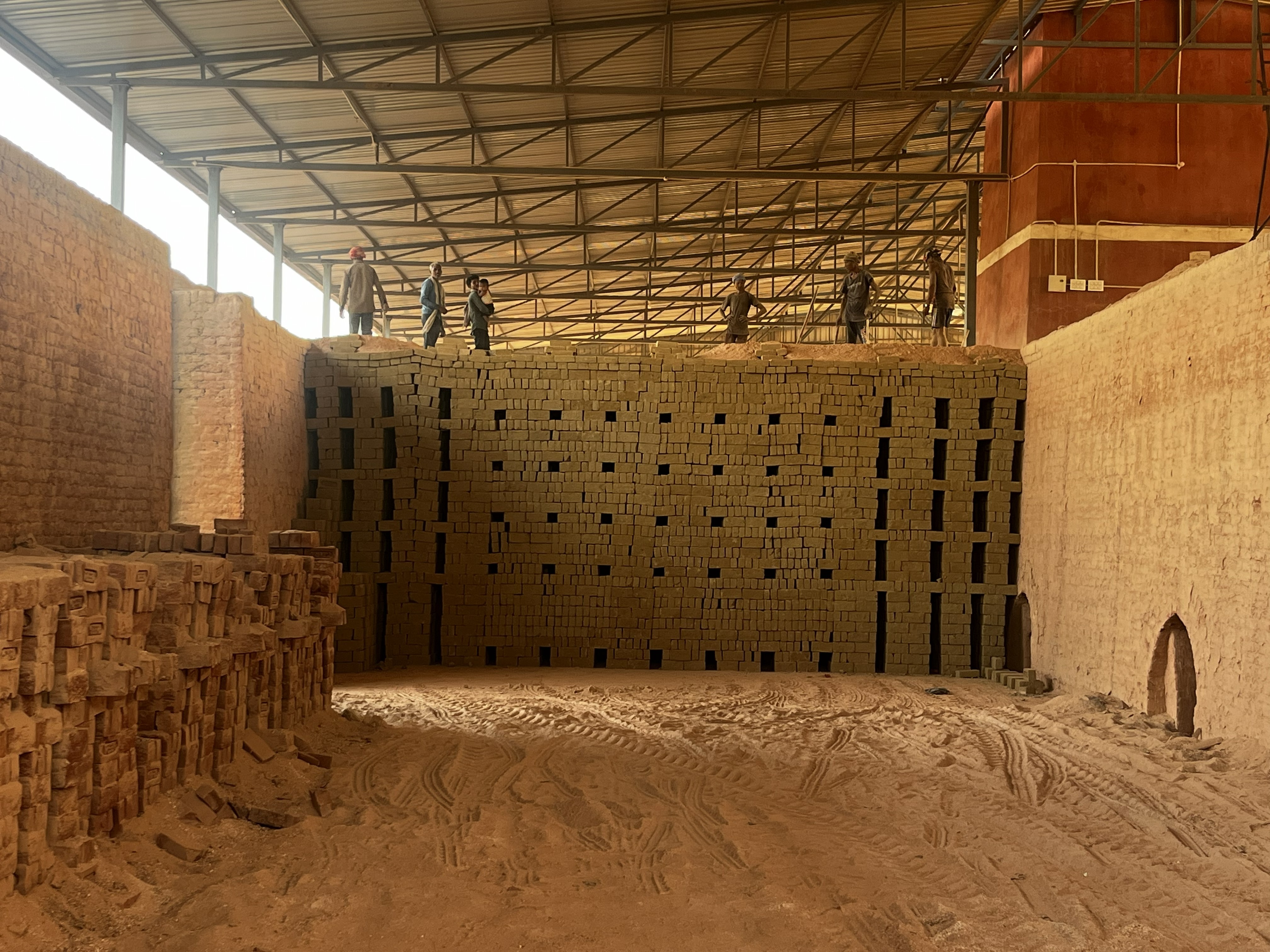
During our next quarter, we're focused on preparing for and launching a successful pilot. We will:
1. Develop and test training materials. We're building our core training curriculum, focusing both on technical knowledge as well as determining which delivery methods are most effective.
2. Run a train-the-trainer program. We'll upskill our trainers in kiln operations, improved firing methods, and effective training delivery and coaching. Train-the-trainer gives us quick feedback on the curriculum: seeing trainers practice delivery and running mock trainings lets us identify issues early on and iterate.
3. Recruit our first 15 kilns and conduct a baseline survey of their operations. We'll recruit up to 15 kilns to participate in the pilot, testing which messages help convert general interest into actual sign-up. We'll conduct an initial baseline survey of participating kilns to document current practices and emissions-related metrics to have a clear before-and-after comparison.
We're finalizing our field team now and are on track to begin training kilns in December. We'll share more on our monitoring and evaluation approach in our next update.
Connect With Us
Please drop us a line at hello@neev.earth with questions, suggestions, or ideas. We have a low bar for reaching out! If you'd like to support our work, you can donate at www.every.org/neev-earth.